
This post contains affiliate links. We may earn a small commission if you purchase through our links, at no extra cost to you.
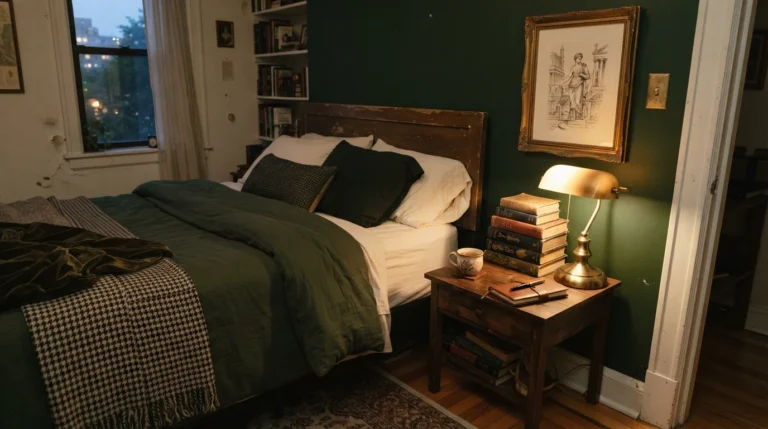
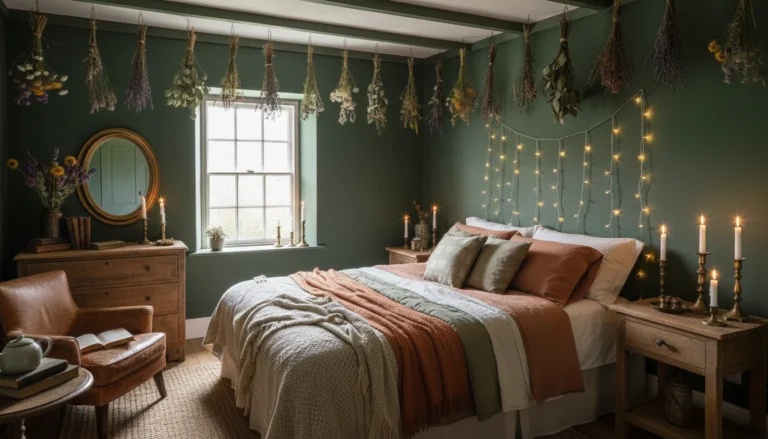
If you have spent time on the home decor side of Pinterest in 2026, you have probably noticed that dopamine decorating and maximalism seem to live in the same neighborhood. They share some obvious qualities: bold color, personal objects, a rejection of the safe-and-neutral approach that dominated interior design for most of the last decade.
But they are not the same aesthetic. Not even close. The difference matters practically because if you try to execute one while thinking you are doing the other, the result is a room that feels wrong in a way you cannot quite diagnose. Understanding what separates dopamine decorating vs maximalism is the clearest path to knowing which one your room actually needs.
Before getting into the comparison, the full dopamine decorating for small spaces guide covers the philosophy and execution of the dopamine approach in depth. If you are clear on what dopamine decorating is but less clear on how it differs from what maximalism asks for, this article is where that question gets answered. And if the comparison makes you realize you want a more curated entry point, the 2026 dopamine decorating color palette is the most practical place to start.
Before we continue, if you’re tired of buying decor that doesn’t look right together, I created something specifically for this…
Dopamine Decorating vs Maximalism: The Core Difference
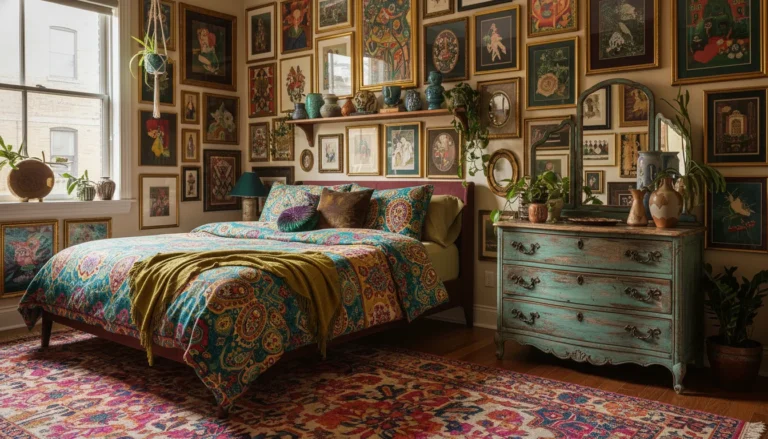
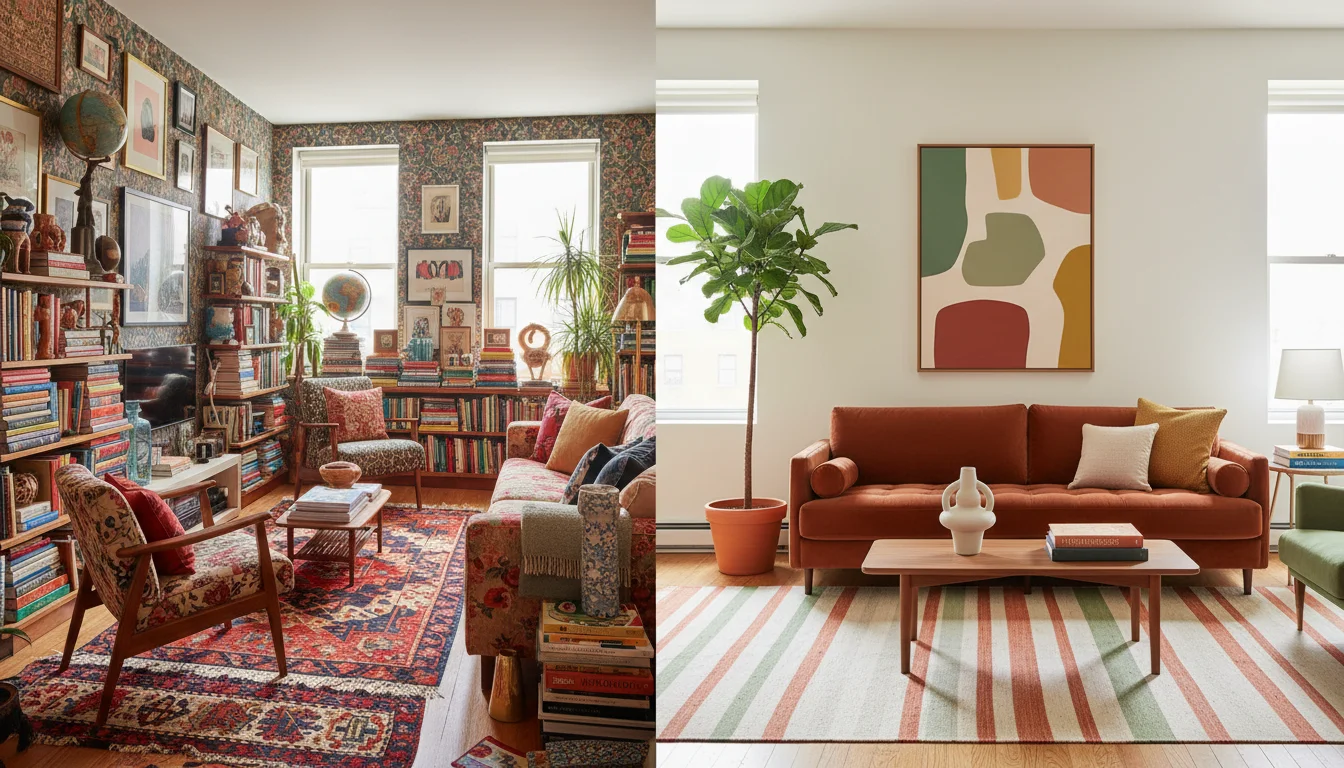
Maximalism is a philosophy of abundance. More is the aesthetic choice. More objects, more patterns, more layers, more surfaces covered with things that are meaningful or beautiful or both. Maximalism says: if one thing you love is good, twenty things you love is better. It celebrates accumulation as a form of self-expression. Done well, a maximalist room looks like the interior life of a very interesting person made physical.
Dopamine decorating is a philosophy of intention. The goal is not abundance. It is the specific, targeted emotional response that comes from being surrounded by things that genuinely produce a small hit of pleasure when you see them. The quantity of those things is not the mechanism. The quality of the pleasure they produce is. A dopamine decorating room can have ten objects or fifty. The number is irrelevant. What matters is whether each object, in its specific placement, produces the specific emotional effect the room is designed to create.
The simplest way to frame the distinction: maximalism is a quantity-based approach. Dopamine decorating is a quality-of-feeling approach. A maximalist room and a dopamine decorating room can look superficially similar from across the room. Stand in them and they feel completely different.
How Dopamine Decorating vs Maximalism Handle Color
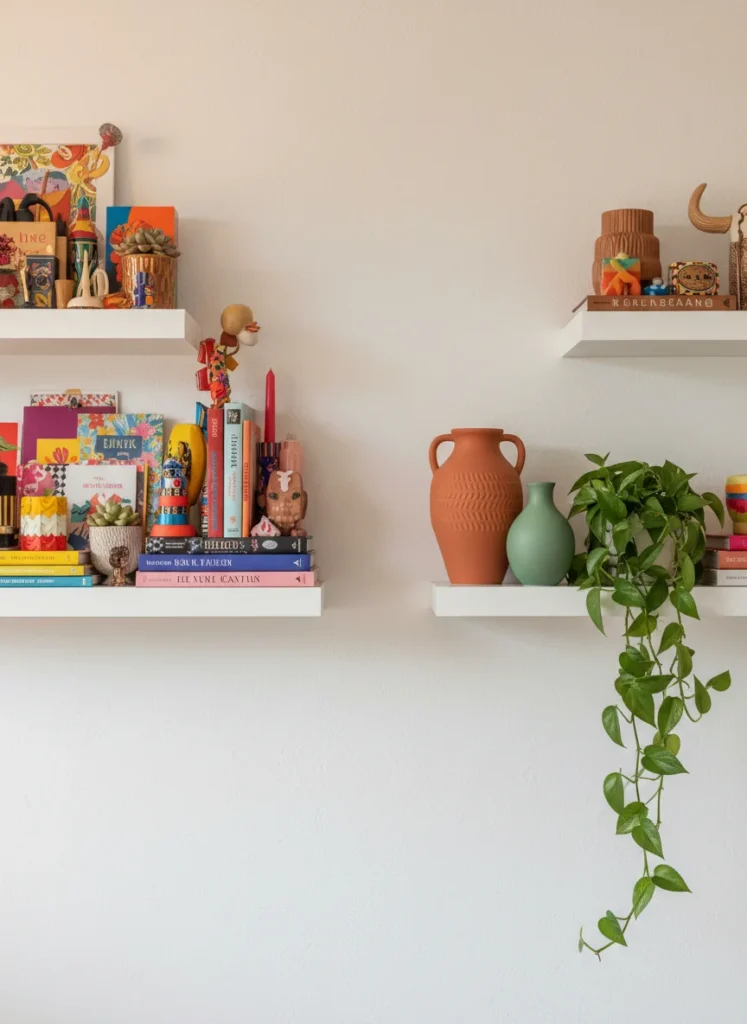
Maximalism has no color constraints. The aesthetic actively welcomes color conflict, pattern clashing, and chromatic layering that would make a minimalist leave the room in distress. A maximalist room might have five dominant colors competing with each other simultaneously, and the tension between them is part of the visual experience rather than a design error.
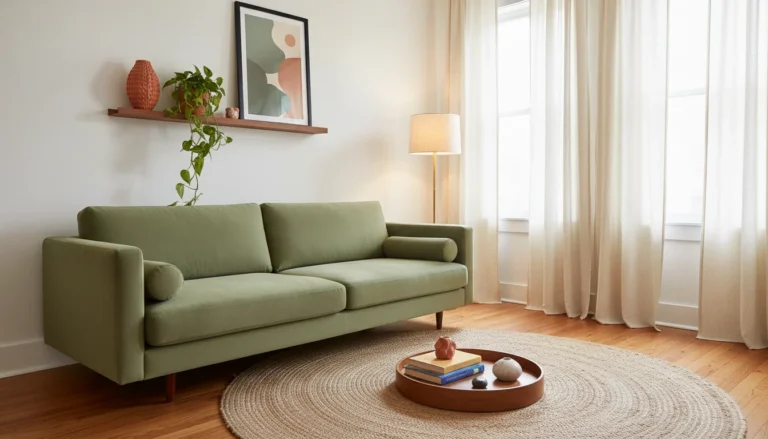
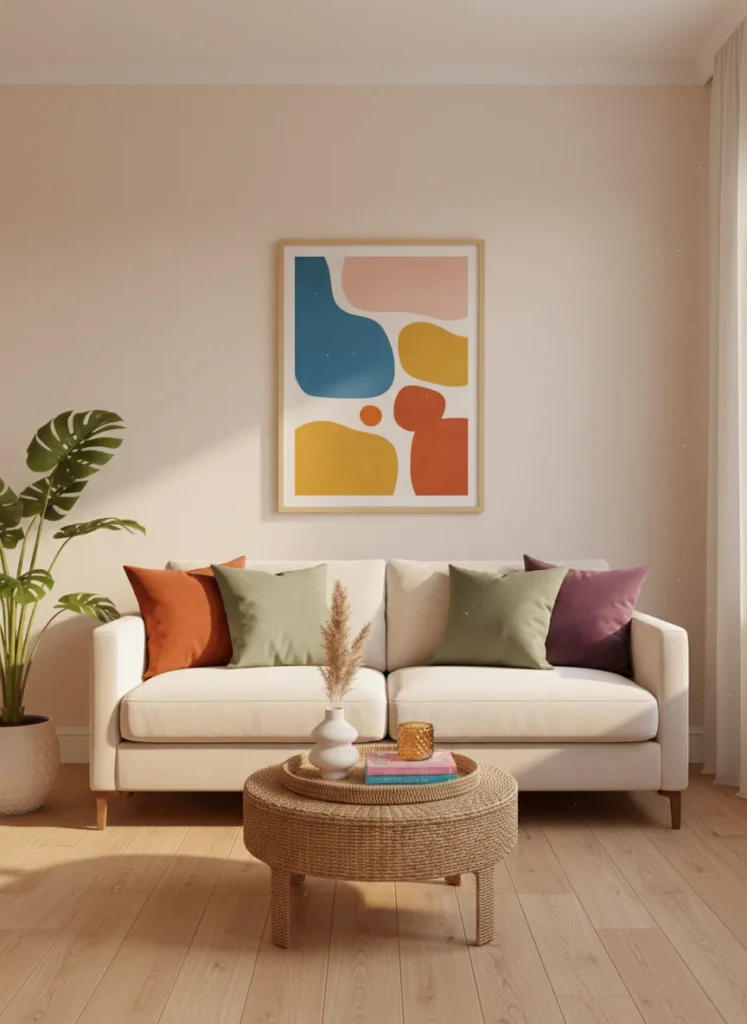
Dopamine decorating is considerably more structured in its color approach. The 2026 dopamine decorating color palette works from a framework of one dominant color, one complementary color, and one neutral. Bold colors are essential to the aesthetic, but they are chosen in relation to each other rather than accumulated. The palette creates coherence. Coherence is what allows each color choice to land emotionally rather than just visually.
In practical terms: if you can name the two or three main colors in a room and feel that everything else is responding to those colors, you are looking at dopamine decorating. If you cannot easily identify a color hierarchy because multiple colors are claiming equal dominance, you are looking at maximalism. Neither is wrong. They are different intentions producing different experiences.
Dopamine Decorating vs Maximalism in a Small Space: What Actually Works
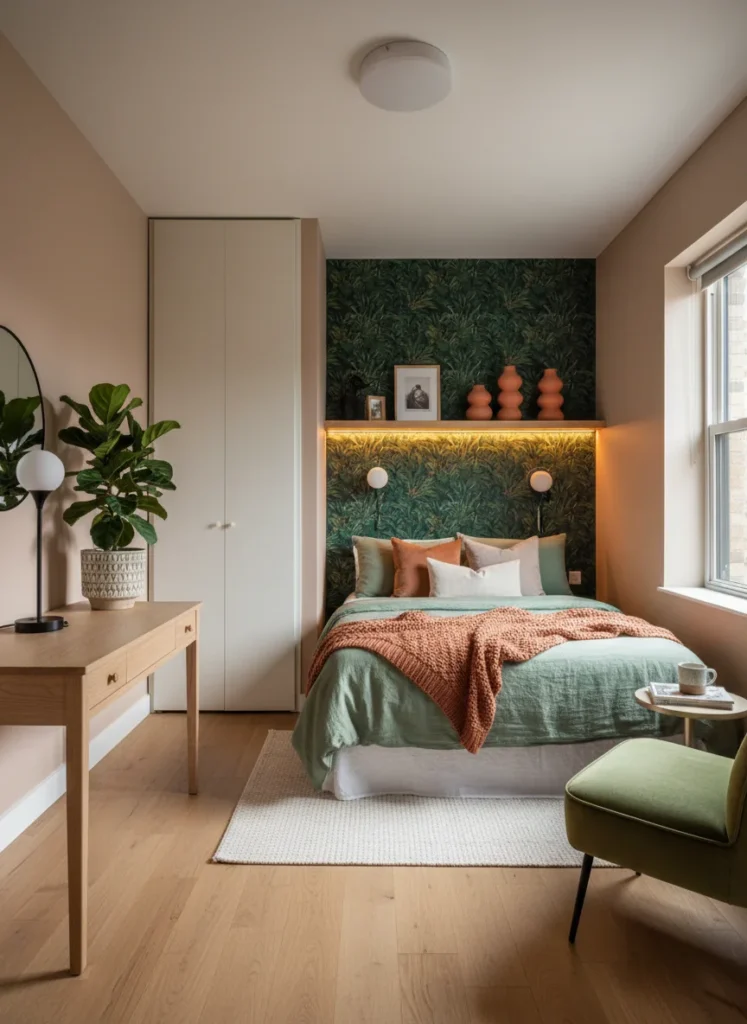
This is where the dopamine decorating vs maximalism question becomes most practically relevant. In a large space with high ceilings and generous square footage, maximalism can be executed beautifully. The abundance of objects has room to breathe. Layers can be added without the room feeling oppressive because there is enough visual space for all of it to coexist.
In a small apartment, full maximalism is significantly harder to pull off. When you have 400 square feet total and 120 of those are the bedroom, the visual density of a true maximalist approach can make the room feel chaotic rather than joyful. The abundance that reads as richness in a large room reads as clutter in a small one. Not because the intention is wrong, but because the container is too small to hold the full expression.
Dopamine decorating is more naturally suited to small spaces precisely because it prioritizes emotional impact per object rather than quantity of objects. In a small room, you can have five things that each produce a genuine pleasure response and the room feels full of joy. You do not need thirty. The dopamine decorating bedroom approach and the dopamine decorating living room approach are both built on this logic: fewer, more intentional choices create more emotional resonance than more, less considered ones.
Where Dopamine Decorating and Maximalism Genuinely Overlap
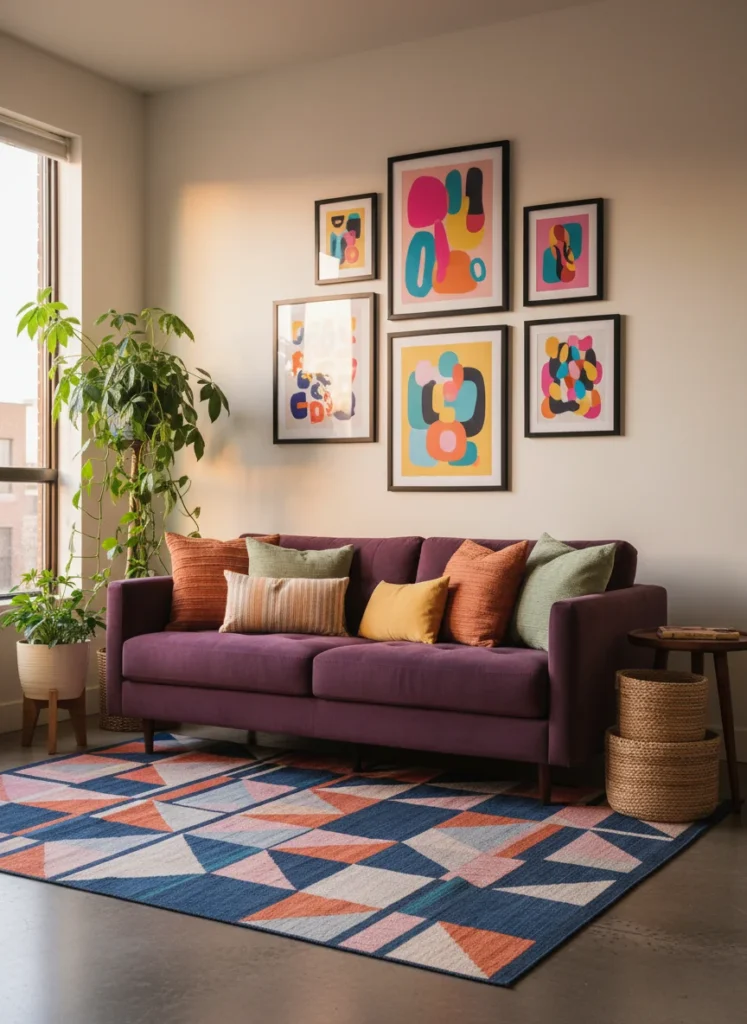
The most interesting rooms happen in the overlap between the two aesthetics. A room that uses the dopamine decorating color structure, intentional palette with clear hierarchy, but allows more object density than dopamine decorating alone might prescribe, draws on maximalism’s love of layering without losing the emotional coherence that dopamine decorating requires. This hybrid is where a lot of the most compelling small apartment decor is landing in 2026.
Both aesthetics reject minimalism explicitly. Both celebrate personal objects over carefully neutral ones. Both treat color as a necessary element rather than an optional one. Both produce rooms that look like someone specific, with a specific taste and a specific inner life, lives there. Those shared values are why they appear on the same Pinterest boards and get confused for each other so frequently.
The distinguishing question to ask yourself when deciding which approach fits your room better: do you want the room to feel like a curated collection of things that make you feel specific emotions, or do you want it to feel like the full, abundant expression of everything you love simultaneously. Dopamine decorating answers the first. Maximalism answers the second. Both are valid rooms. The right one is whichever produces the feeling you are actually looking for when you come home.
Practical Clues That Tell You Which One You Are Doing
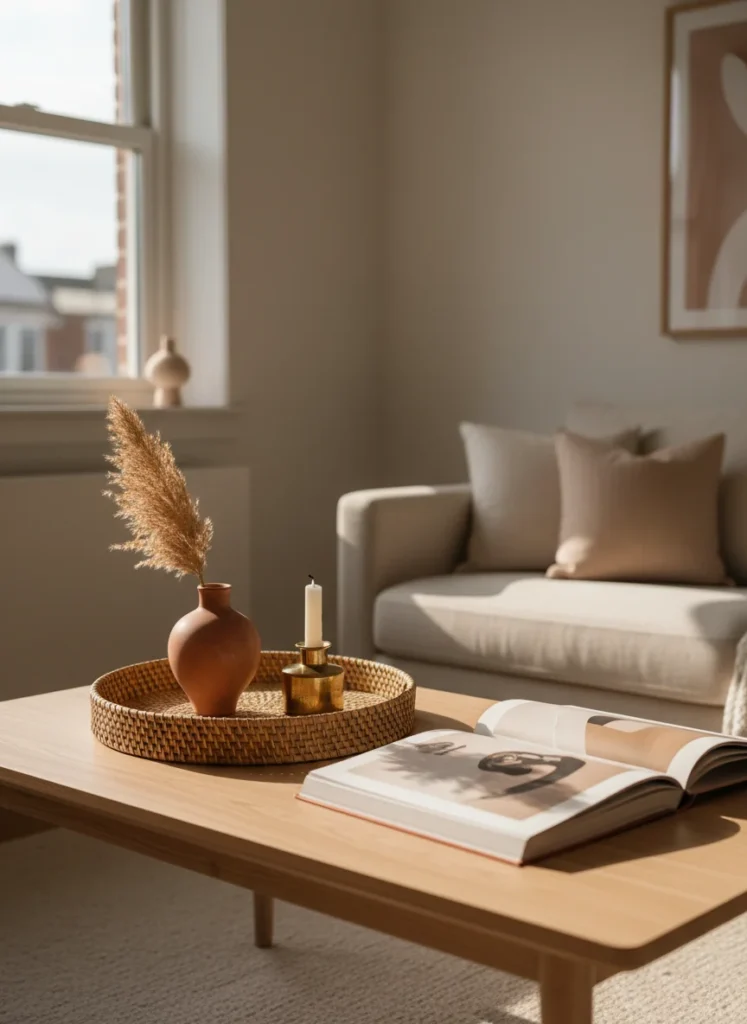
You are doing dopamine decorating when: you can articulate why each object is where it is, when removing any one thing would leave a noticeable gap, when the palette has a clear hierarchy that everything else responds to, and when the room consistently produces a specific emotional response, calm, joy, warmth, inspiration, that you can name.
You are doing maximalism when: the room keeps accumulating things and the accumulation feels like the point, when a new object can be added without needing to remove anything, when the layering itself is the aesthetic pleasure, and when the goal is fullness rather than a specific emotional note.
You are doing neither well when: objects are present because they were purchased without a specific intention for them, when colors are accumulating without a cohesive logic, and when the room produces a vaguely stressed feeling that you attribute to the size of the space rather than the density of the decisions. That stressed feeling is the room telling you something.
How to Shift From Maximalism to Dopamine Decorating If That Is Where You Want to Go
If your room currently leans maximalist and you want to shift it toward dopamine decorating, the edit is the work. Start by removing everything from one surface, a shelf, a table, a wall, and placing back only the pieces that produce a genuine pleasure response when you hold them and look at them. Not attachment, not memory, not obligation. Pleasure. The objects that do not make that cut go into storage or leave entirely.
Then establish your palette. The 2026 dopamine decorating color palette is the most efficient starting point. Choose one dominant color and one complementary color from the four anchor options. Edit every object on the surface to those two colors plus a neutral. What is left will look more intentional than what you started with even if it contains fewer things.
Repeat that process for every surface in the room over a few weeks. The Amazon finds under $50 are useful at this stage for replacing objects that do not fit the revised palette with ones that do, without spending significantly. The shift from maximalism to dopamine decorating is not about buying more. It is about choosing more intentionally from what you already have and filling the gaps with objects that genuinely earn their place.
Which side of this comparison feels more like where you naturally land, dopamine decorating or maximalism? And does your current room reflect that or is there a gap between where you are and where you want to be? I am curious in the comments.